Self-centering planers
Planing solutions designed to improve material yield, stabilize thickness and reduce losses across wood processing production lines.
The impact of
self-centering on
material yield
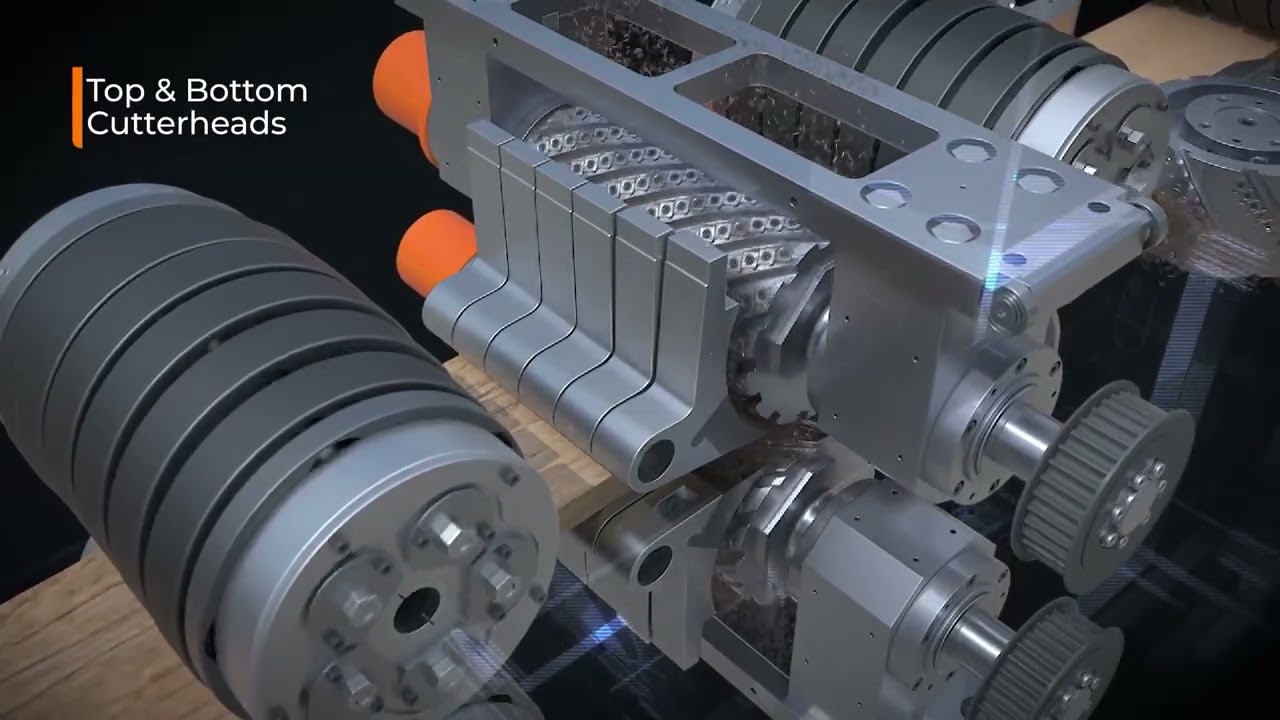
A self-centering planer adjusts the depth of cut to each individual board rather than assuming a perfectly straight and uniform piece.
By centering each board individually, it helps preserve more usable material, stabilize thickness and reduce losses that accumulate at high volumes. At the scale of a production line, that precision translates into greater profitability, more consistent output and results that are easier to measure.
What self-centering
actually changes
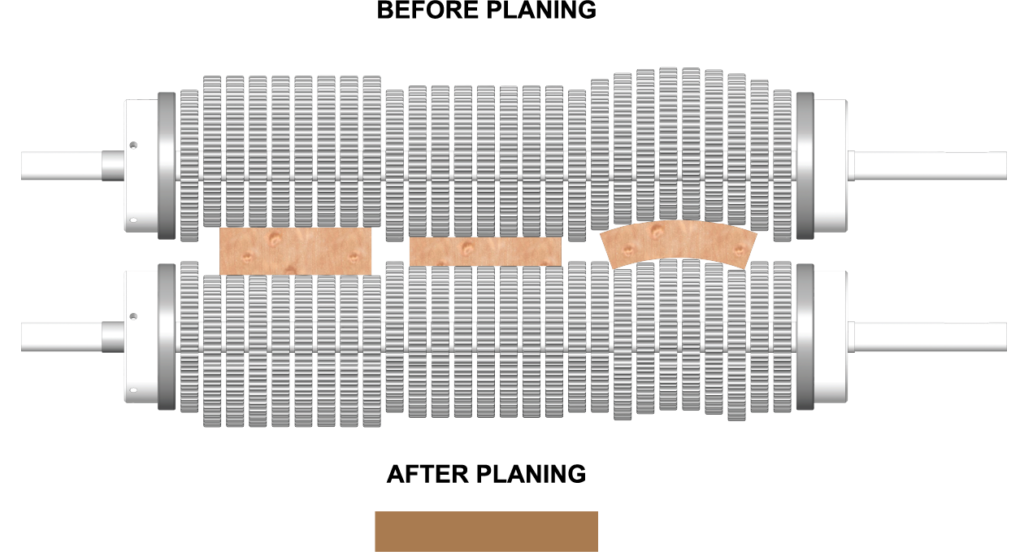
Each board is centered and calibrated to its actual shape to preserve more usable material, stabilize thickness and reduce recurring losses. By reducing stress on boards, self-centering also helps limit breakage, rejects and jams on the line.

Board-by-board centering

Multi-Face Calibration

Fewer recurring losses

More measurable yield
Find the right planer for your line
Answer a few questions about your lumber, your volume, your line speed and your yield targets to identify the most relevant solution.
Choosing the right planing solution
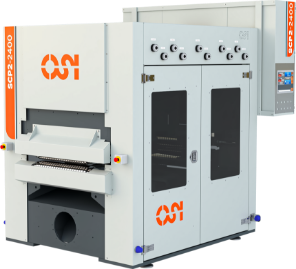
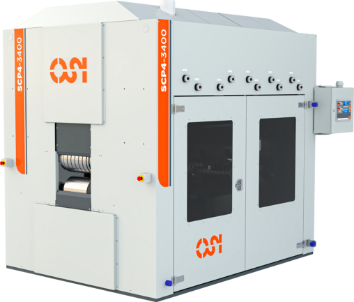
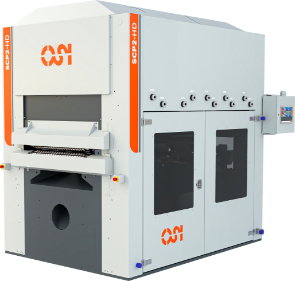
OSI planers are configurable to meet the specific needs of each operation. Starting from 11 base models, 6 two-sided and 5 four-sided, a wide range of configurations lets you adjust the machine to match your material, line speed, level of control and production reality. OSI adapts to your operation, not the other way around.
The components that control the result
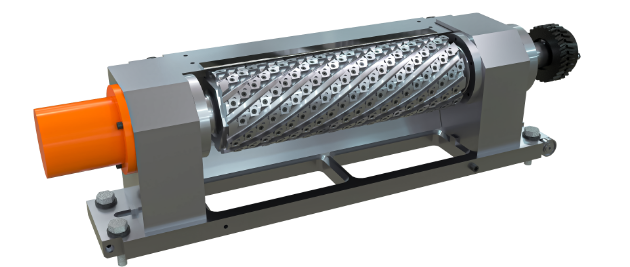
Whether configured as 2-Sided or 4-Sided, OSI planers are designed to improve control over the workpiece, the cut and the continuity of operations.
Each function contributes to removing material in the right place, stabilizing results and supporting more consistent production.

Workpiece centering and control

Cutting and calibration

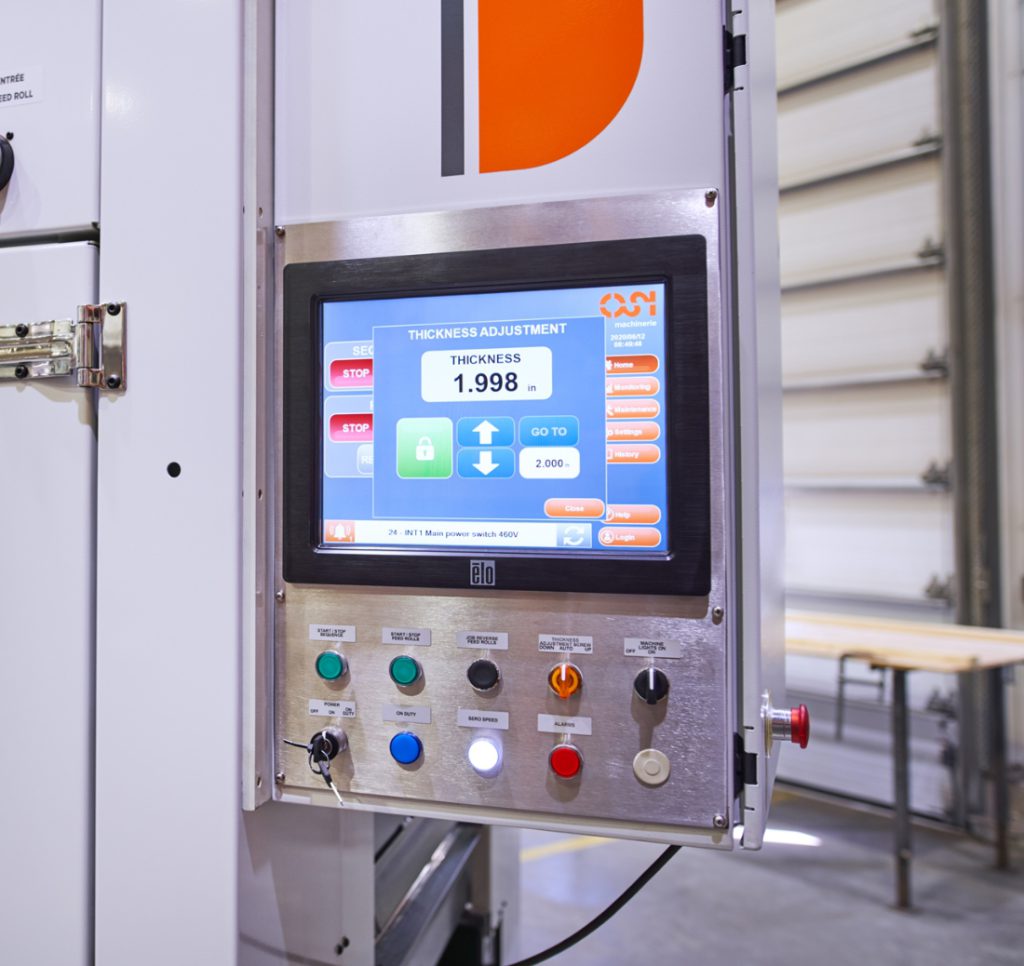
Operational control and continuity
See OSI Machinerie’s Self-Centering Planers in action